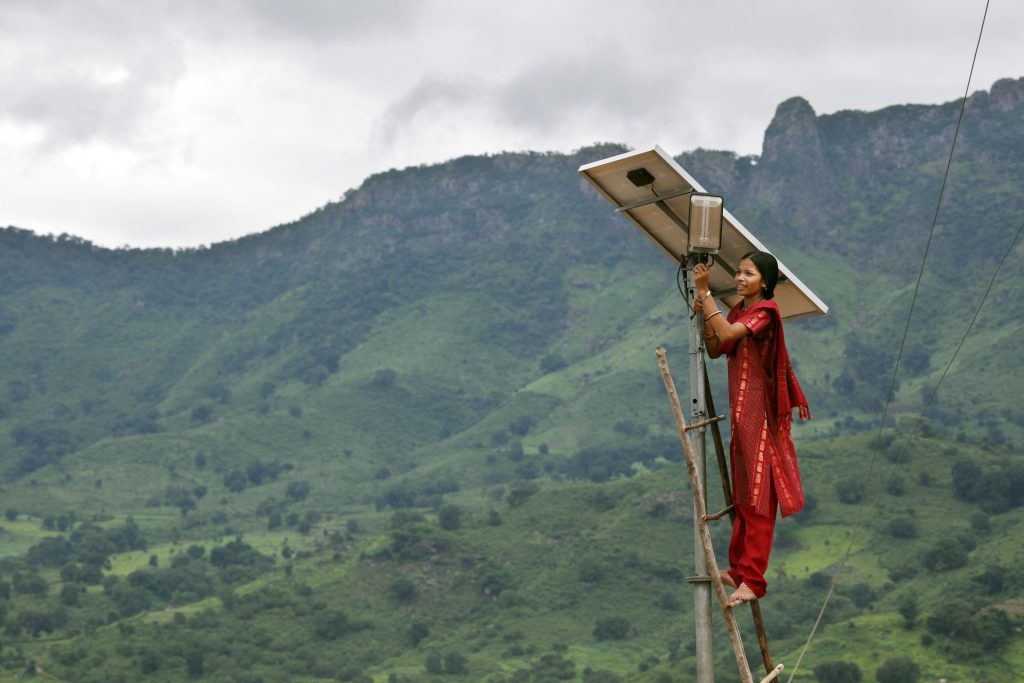
Today is International Women’s Day. To celebrate this important date, we invite you to reflect on the role of women in addressing climate change.
Women are often overlooked in climate policy, even though they are the ones suffering the most from the consequences of climate change.
According to UN Women:
“The climate crisis is not “gender neutral”. Women and girls experience the greatest impacts of climate change, which amplifies existing gender inequalities and poses unique threats to their livelihoods, health, and safety.”
How can we ensure that women and girls take part in climate-related decisions that produce effective and inclusive solutions to climate change?
To answer this question, we listed below three ways that could help improve gender-responsive and women-led climate action.
Implement community-led and gender-responsive climate solutions.
Encouraging women’s participation and women-led climate solutions results in better, more efficient, and inclusive outcomes.
In many rural communities, for instance, women are responsible for collecting water for their families and, over the years, have gained a unique understanding of changes to rainfall patterns, as well as water harvesting and storage.
These women are uniquely placed to inform adaptation strategies and develop tailored and inclusive solutions.
Access to tailored financial resources and resource management.
Women manage households and account for a big chunk of the labor force. Nonetheless, they often find themselves without the means to provide for themselves and their families, or without the right incentives to do so.
In Côte d’Ivoire, for example, women account for 70% of the agricultural sector but own only 3% of the land they cultivate. This UN Women project in the country has empowered Ivorian women to increase their incomes through improved efficiency and greater agricultural output.
By providing them with the right resources, including financial ones, they can build more tailored and climate-resilient communities, greatly contributing to climate adaptation and mitigation.
Climate action for all.
Investments in gender-inclusive climate action have far-reaching, society-wide benefits, such as environmental conservation and poverty reduction.
As the UNFCCC put it:
“By tackling climate change with a gender lens, we can also address women’s rights and promote greater gender equality.”
Women play a key role in building climate-resilient societies.
Interested in learning more about the interlinkages between gender and climate change on International Women’s Day?
Take our free gender-related e-courses.
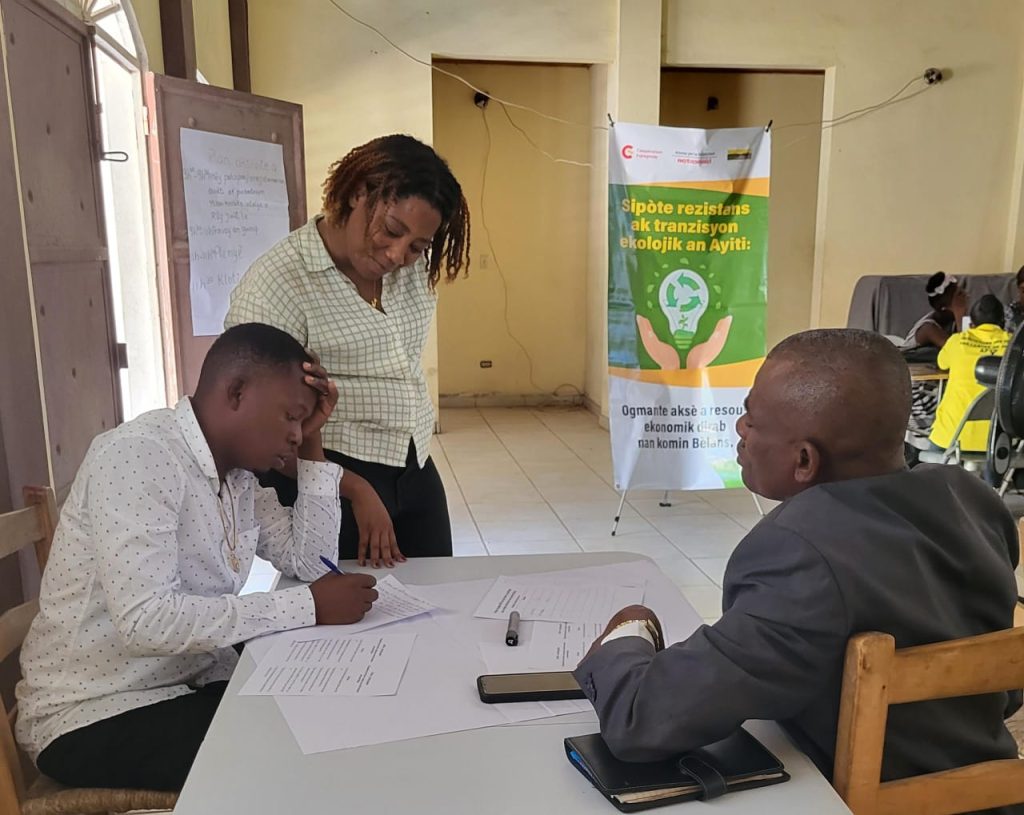
 Wadley B. Michel is a project technician at the Unité d’Études et de Programmation of the Ministry of the Environment in Haiti. Her role is to contribute to the design, planning and implementation of environmental projects, ensuring that gender aspects and environmental impacts are effectively taken into account.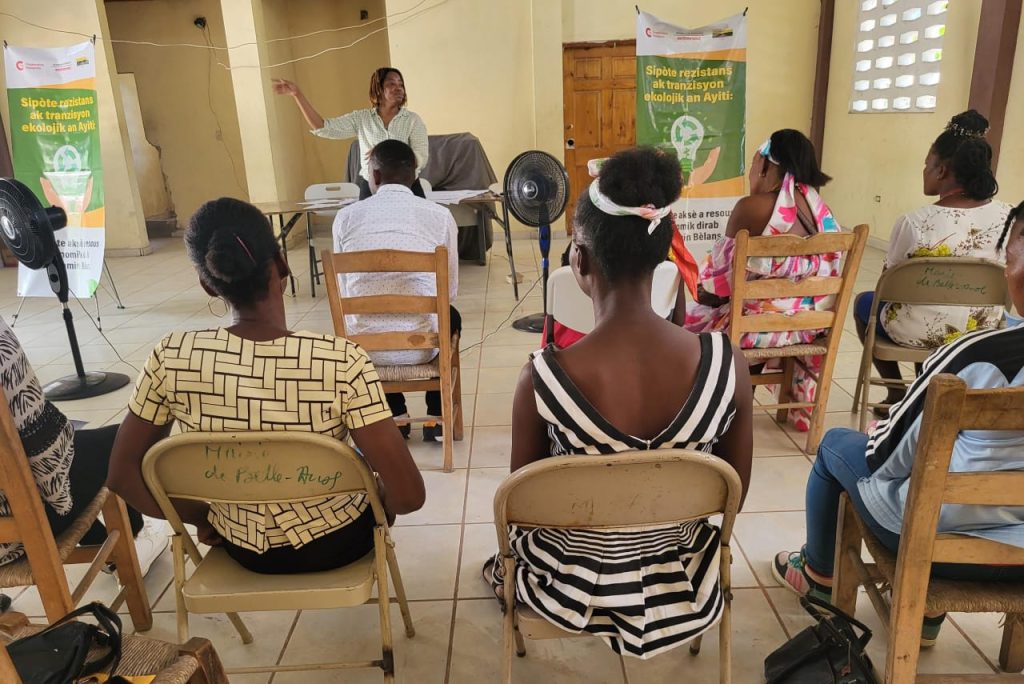




 When one thinks about climate change action, Qatar is not really the first place that comes to mind. But Neeshad Shafi, founder of the
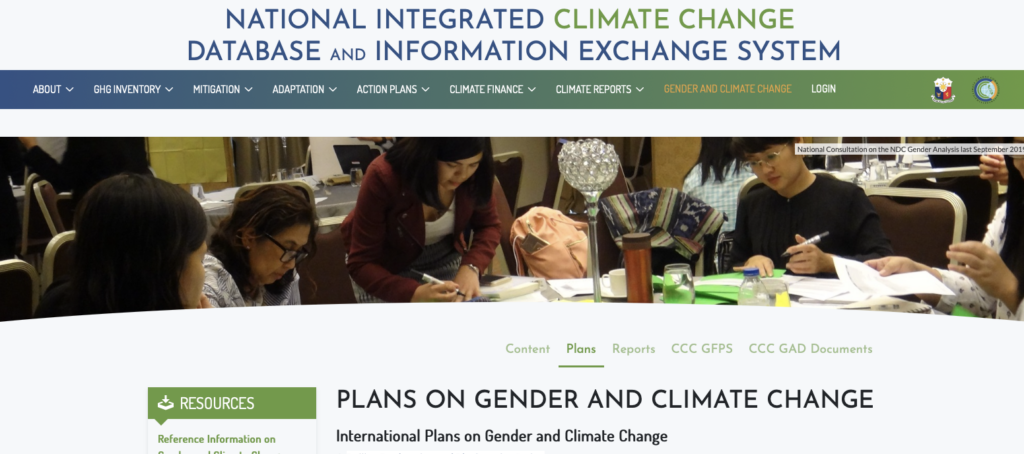
 Gender equality and climate action are intertwined topics that are increasingly being addressed together. Joe Mari S. Francisco, technical officer of the of Philippines’ Climate Change Commission and National Gender Focal Point of the Philippines to the UNFCCC, agrees with it and has been tasked with mainstreaming gender across the Philippines’ NDC.