In 2025, UN CC:Learn continued to expand the reach and impact of climate change learning worldwide. Through new resources, high-level recognition, major learning milestones, and engaging in-person and online events, the Partnership strengthened its role as one of the United Nations’ flagship initiatives for promoting climate literacy.
This year, more than ever, UN CC:Learn’s work helped an increasing number of people understand climate change and take informed action.
The 2025 highlights reflect a commitment to inclusivity, collaboration, and innovation, ensuring that climate education remains accessible, engaging, and relevant for all.
UN Secretary-General recognition letter.
In the lead-up to COP30, United Nations Secretary-General António Guterres sent a dedicated message to the UN CC:Learn Partnership and its community, underlining that climate literacy is “part of our first line of defence” against the climate crisis. The letter highlights the vital role of UN CC:Learn in helping people everywhere access knowledge and skills to engage meaningfully in climate action and climate negotiations.
In his message, the Secretary-General welcomed the fact that UN CC:Learn has now reached more than one million learners worldwide, over half of whom are women, and recognised the Partnership’s contribution to just transitions, resilient development, and the achievement of the Sustainable Development Goals. This high-level recognition underscored UN CC:Learn’s position as the UN’s flagship platform for climate literacy and provided fresh momentum to expand its reach even further.
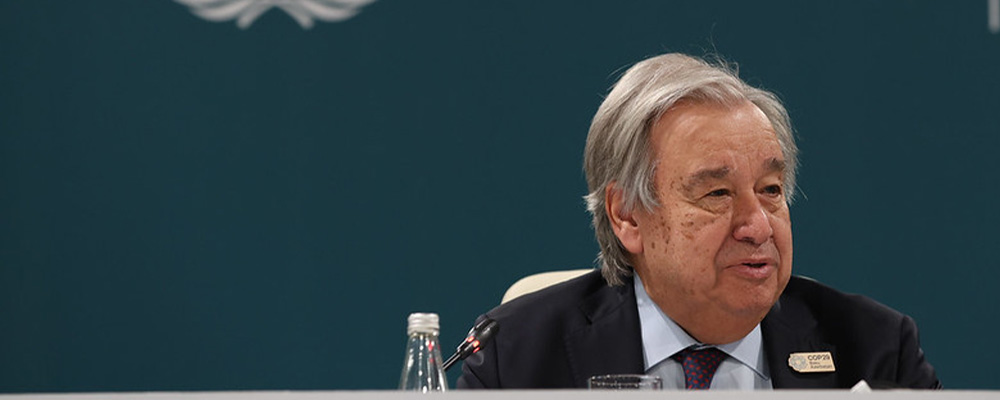
The United Nations Secretary-General, António Guterres. Photo credit: United Nations
Ecuador launches its National Strategy for Action for Climate Empowerment.
In September 2025, Ecuador officially launched its National Strategy for Action for Climate Empowerment 2026–2035 (ENACE) in Quito, a major milestone in the country’s climate action efforts and a significant achievement for UN CC:Learn’s country support work. Developed with technical support from UNITAR, UNICEF and the NDC Partnership, the ENACE aims to strengthen the capacity of civil society and institutions to adapt and respond to climate change.
The strategy is the result of a participatory process launched in 2024 that involved more than 400 stakeholders from across society, including children, adolescents, youth, Indigenous communities, academia, the private sector, and public institutions, with women making up 62% of participants. The ENACE sets out a roadmap across six Action for Climate Empowerment pillars (education, training, public awareness, access to information, public participation and international cooperation), reaffirming Ecuador’s commitment to the Paris Agreement and the Escazú Agreement and showcasing how inclusive climate learning can drive a just and sustainable transition.
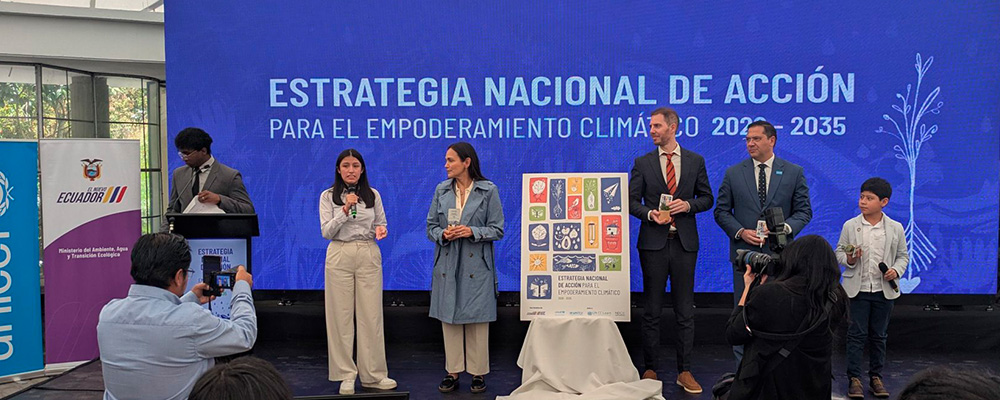
Launch of Ecuador’s ENACE. Photo credit: UN CC:Learn
Climate 101: an interactive dictionary that makes the climate language accessible.
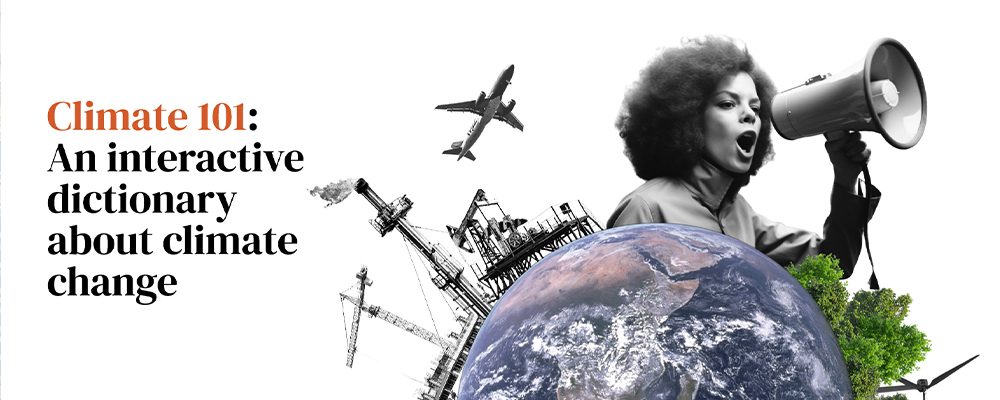
In February 2025, UN CC:Learn and UNDP Climate Promise launched Climate 101: An Interactive Dictionary about Climate Change, a digital resource designed to demystify climate jargon and make key concepts more accessible to everyone. Inspired by UNDP’s Climate Dictionary, Climate 101 presents 27 essential climate terms, from mitigation and adaptation to carbon markets and just transitions, through concise explanations and engaging visuals.
Beyond definitions, Climate 101 offers interactive elements, such as videos, case studies, and exercises, that help learners connect terminology to real-world climate action. Since its launch, the resource has continued to grow in popularity, attracting more than 17,000 visits in its first year and becoming a fun resource for those who want to strengthen their climate literacy in an intuitive, user-friendly way.
Big milestones: one million registrations and over 600,000 certificates issued.
2025 marked an important scale-up moment for UN CC:Learn: the programme passed the milestone of more than one million registered learners on its e-learning platform, building on steady growth over the past decade. This achievement reflects the growing demand for high-quality climate learning opportunities worldwide.
Alongside this, UN CC:Learn has issued more than 600,000 certificates of completion across its portfolio of online courses since the platform’s launch, a clear indication that learners are not only registering but also successfully completing their learning journeys. With an average of around 100,000 certificates issued per year in recent years, these milestones underscore the programme’s role in building a large and diverse global network of climate-literate citizens and professionals.
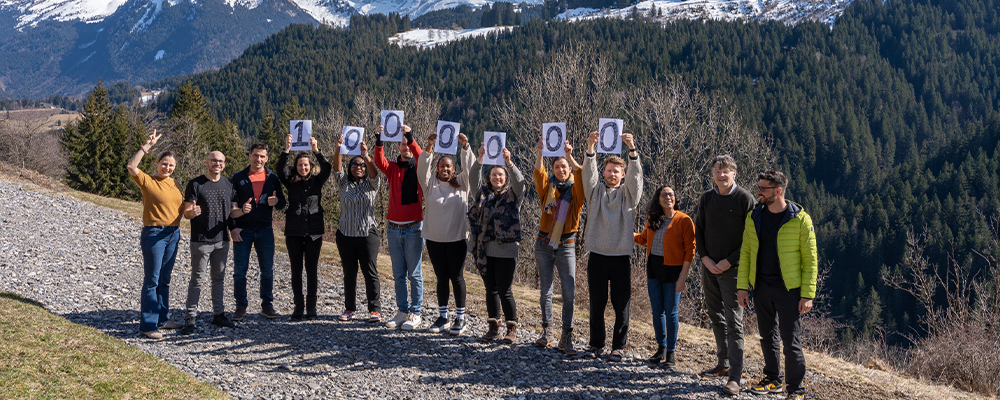
The UN CC:Learn Team celebrating the 1 million milestone. Photo credit: Lorenzo Franchi / UN CC:Learn
Sports for Climate Action: e-courses in English and Spanish, plus a new NGO track
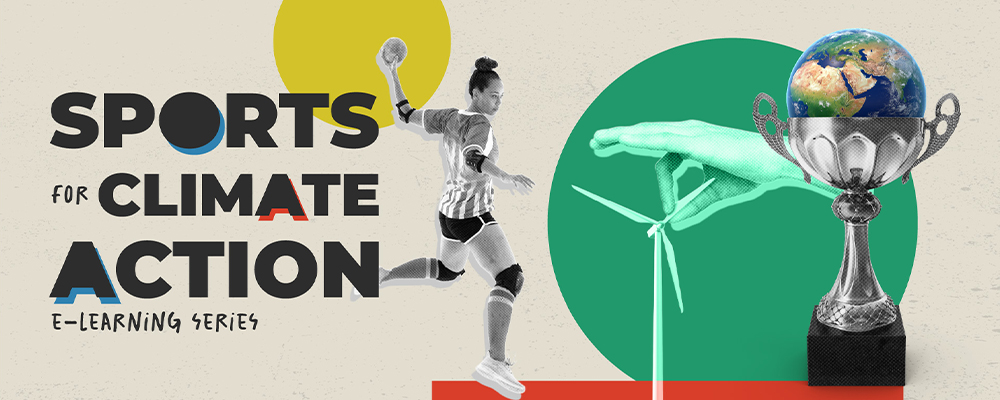
This year, UN CC:Learn, UN Climate Change (UNFCCC) and adidas launched two online courses – Introduction to Sports for Climate Action and Sports for Climate Action – as part of a new Sports for Climate Action e-learning series available in English and Spanish. The courses explore how sport both contributes to and is impacted by climate change, and offer practical strategies for sports organisations to reduce emissions, build resilience, and use their platforms to engage fans and communities.
In parallel, UN CC:Learn piloted a five-module Sports for Climate Action for Grassroots NGOs training in English and Spanish, bringing together 69 participants from 45 not-for-profit sports organisations across 26 countries in Africa, Latin America, Europe, and Asia. This new NGO track equipped community-based actors with tools on climate leadership, partnerships, and community engagement, ensuring that the benefits of climate literacy through sport are felt from elite arenas to grassroots pitches.
“No Borders for Climate Action”: connecting young students across four continents
In October 2025, the “No Borders for Climate Action” event turned a secondary school in St. Gallen, Switzerland, into a global hub for youth dialogue on climate change. Co-organised by UNITAR and the Kantonsschule am Burggraben, the event gathered around 150 students, teachers, and experts from Switzerland, Brazil, the United Arab Emirates, and Zambia for a full day of learning and exchange just weeks before COP30.
The programme combined an in-person Climate Classroom on international climate negotiations with four parallel Youth Climate Dialogues linking classrooms in Switzerland to partner schools in Rio de Janeiro, Dubai, and Lusaka. Students shared their experiences of climate impacts, discussed action in their communities, and then engaged directly with decision-makers in a high-level panel.
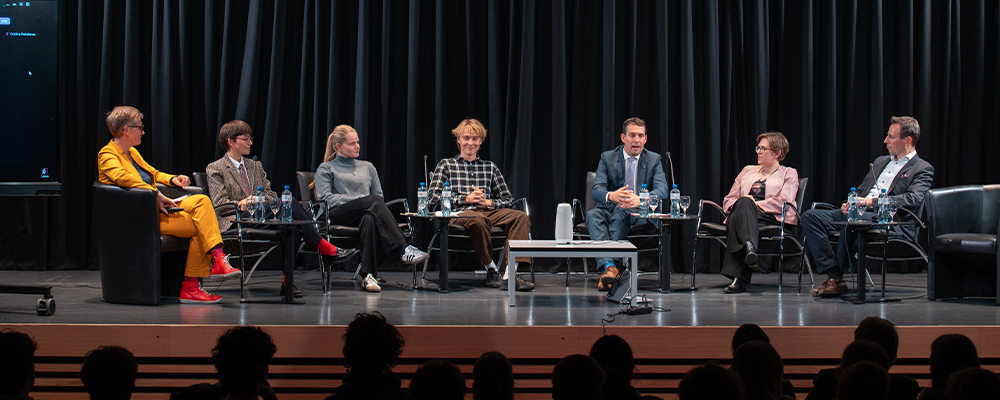
Panel discussion at the No Borders for Climate Action event. Photo credit: Lorenzo Franchi / UN CC:Learn
Climate Classroom @ COP30: biggest edition ever
In the run-up to COP30 in Belém, Brazil, UN CC:Learn delivered its largest-ever edition of the Climate Classroom. This series of short, interactive online classes was designed to help delegates, observers, and interested individuals quickly get up to speed on key negotiation topics, including climate and human rights, green skills, just energy transitions, climate change and health, and the role of philanthropy in climate action.
Over 7,000 participants from around the world joined the Climate Classroom @COP30, making it the biggest edition to date and confirming it as a flagship UN CC:Learn offering during the annual climate conferences.